 As parents, we want to give our children every advantage for a healthy, happy life, and that includes protecting their smile from the very first tooth. At Beach Kids Dentistry in Virginia Beach, VA, we often hear questions like: “Are sippy cups and baby bottles bad for my child’s teeth?” Understanding how sippy cups and bottles affect a toddlers teeth is crucial because these everyday items can influence your child’s dental health in ways you might not expect.
Why Parents Love Bottles and Sippy Cups
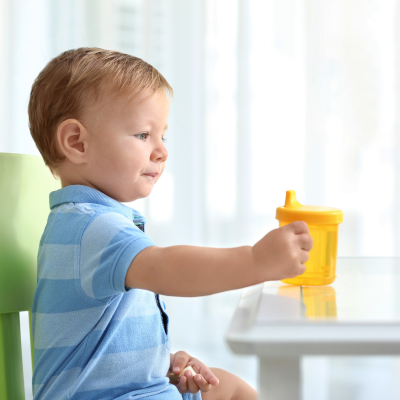
Baby bottles and sippy cups are incredibly convenient. They help babies and toddlers transition from breastfeeding or bottle feeding to independent drinking. Parents appreciate that these cups minimize spills and help little ones practice drinking skills. However, knowing how sippy cups and bottles affect a toddlers teeth can help you avoid habits that may lead to cavities and early tooth decay.
The Real Dental Risk: Prolonged Exposure to Sugary Liquids
The biggest dental concern with both bottles and sippy cups isn’t the product itself; it’s what and how children drink from them. Understanding how sippy cups and bottles affect a toddlers teeth starts with recognizing that sugary liquids are the main culprit. Juice, milk, formula and sweetened drinks feed bacteria in plaque, producing acids that attack tooth enamel and cause cavities.
This is especially problematic when drinks are sipped slowly over long periods, a common pattern with sippy cups. Unlike a regular cup, which delivers liquid quickly, the spout or valve on a sippy cup delivers small amounts over time. This prolonged exposure is a key factor in how sippy cups and bottles affect a toddlers teeth.
Baby Bottle Tooth Decay — Not Just a Myth
Dentists refer to early childhood tooth decay associated with prolonged bottle or sippy cup use as “baby bottle tooth decay.” This typically affects the upper front teeth because they are most exposed during prolonged drinking. Learning how sippy cups and bottles affect a toddlers teeth can help parents understand why bedtime bottles or prolonged sipping can lead to serious dental issues.
How Long Should Children Use Bottles and Sippy Cups?
The American Academy of Pediatrics recommends transitioning away from bottles and sippy cups by 12–24 months of age. Understanding how sippy cups and bottles affect a toddlers teeth reinforces this recommendation. The longer a child sips sugary drinks, the higher the risk of cavities. Sippy cups are a training tool, not a permanent drinking solution. The goal is to help your child move toward drinking from a regular cup, which reduces sugar exposure and supports oral development.
Best Practices for Healthy Smiles
Here are practical tips to reduce the impact of bottles and sippy cups on your child’s teeth:
1. Use Water Between Meals
Filling sippy cups or bottles with water between meals minimizes the negative effects and protects your child’s teeth.
2. Limit Use to Mealtimes
Avoid letting your child carry a sippy cup throughout the day. Restricting usage to meal or snack times can reduce cavity risk and illustrates the importance of understanding how sippy cups and bottles affect a toddlers teeth.
3. Avoid Bedtime Bottles or Cups with Anything But Water
Putting a child down with milk, formula, or juice increases the risk of decay. Always offer water at bedtime to prevent damage and minimize how sippy cups and bottles affect a toddlers teeth.
4. Transition to Straw or Open Cups
Encourage straw cups or open cups as soon as your child is ready. This helps limit the prolonged exposure that contributes to how sippy cups and bottles affect a toddler’s teeth.
5. Brush Early and Often
Start cleaning teeth gently as soon as they appear. Brushing early is essential for protecting your child’s teeth and minimizing the impact of how sippy cups and bottles affect a toddlers teeth.
When to Talk With Our Pediatric Dentists
If you’re unsure when to transition from bottles and sippy cups, regular visits to Beach Kids Dentistry in Virginia Beach, VA help protect your child’s smile and prevent the dental issues that can result from how sippy cups and bottles affect a toddlers teeth.
Beginning dental care early sets the stage for healthy habits. With proper use of bottles and sippy cups, consistent brushing and support from our team, you can reduce the impact of how sippy cups and bottles affect a toddlers teeth, helping your child maintain a strong, healthy smile for years to come. Request your appointment today!